August 17, 2026 · monsoon · dust · seasonal
Monsoon season dust and your home
How Phoenix dust storms get inside, what to clean first after one passes, and how to set your home up before monsoon season so the cleanup is smaller.
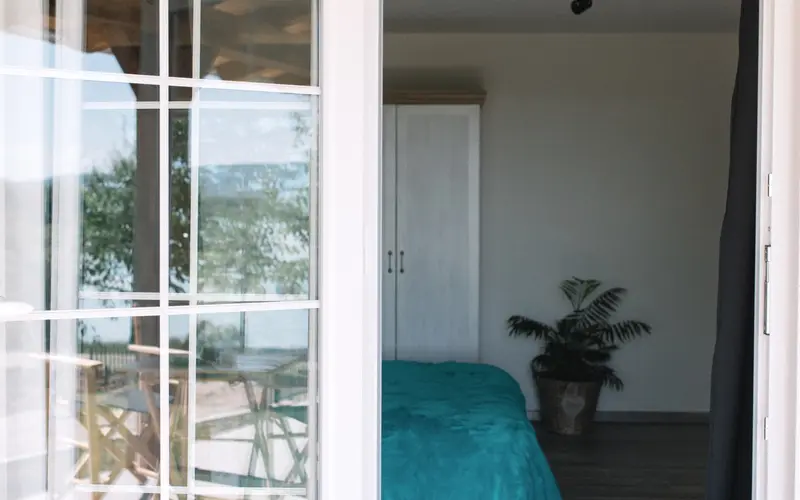
Every summer the pattern repeats. A wall of dust rolls across the Valley in the late afternoon, the sky goes brown, and an hour later there is a fine layer on every windowsill in the house. Then the rain comes and turns whatever dust is on the patio into a thin coat of mud. Monsoon season is a cleaning season, and it goes better with a plan.
How the dust gets in
A haboob is not ordinary dust. The particles are very fine and they arrive under pressure, driven by outflow winds ahead of a storm. Fine dust finds gaps that normal air movement never tests.
The usual entry points are worn weatherstripping on exterior doors, the sliding patio door track, window frames on older homes, the gap under the garage-to-house door, dryer vents and range hoods without working backdraft dampers, and any exhaust fan that is not sealed. On 1950s ranch homes in central Phoenix with original windows, the frames themselves are an entry point. On new builds in the West Valley the envelope is tight, but the front door gets opened during the storm by someone checking on the weather, and that is enough.
Then the air conditioning spreads it. Once dust is in the house, the return pulls it through the filter, and the filter catches most but not all of it. What passes through comes out of every register.
Before the season
The cheapest cleanup is the one you prevent.
- Replace the HVAC filter at the start of the season, and keep spares. Check it monthly through September.
- Inspect weatherstripping on every exterior door. If you can see daylight at the edges, replace it.
- Clean and vacuum sliding door and window tracks so the seals can close fully.
- Clear the patio and pool deck of loose items that will blow, and store cushions. Cushions that get wet and dusty stain.
- Check that dryer and range hood dampers close on their own.
- Trim landscaping back from the house so branches do not fling grit at windows.
After a storm: the first two hours
Work in this order. It matters.
- Leave the AC running. Do not open windows to air out the house; the air outside is still full of dust.
- Change the HVAC filter if the storm was heavy. A loaded filter releases fine dust every time the system cycles.
- Wipe hard surfaces top to bottom with a damp microfiber cloth. Dry dusting moves the dust; a damp cloth captures it. Start with ceiling fan blades, then window sills, then counters and tables, then furniture.
- Vacuum floors with a machine that has a sealed body and a good filter. Then mop tile. Sweeping puts the dust back into the air.
- Shake entry mats outside, then vacuum them.
- Wipe blinds slat by slat. Sun-faded aluminum blinds in west-facing rooms hold the most.
- Leave the outside for last. Hose the patio and pool deck once the rain has stopped and the surface has dried enough to see where the mud is.
What people miss
Window tracks fill with dust that turns to mud when the rain follows. If it dries there it becomes cement-like and stops the door from sealing. Vacuum the track, then wipe it with a damp cloth, then dry it.
Return air grilles catch dust on the face. Wipe them with the system off.
Ceiling fan blades load up on the top edge. A pillowcase slipped over each blade and drawn back catches the dust instead of dropping it on the bed.
Tops of door casings, picture frames and cabinet tops collect a line of dust that nobody sees until they touch it.
Pool decks and travertine patios get a film of fine grit that tracks in on wet feet for days. A hose and a stiff broom clears it. Grit ground into tile grout indoors is much harder to remove than grit swept off the deck.
Humidity and the other monsoon problem
Monsoon brings moisture as well as dust. Humidity rises, and bathrooms that dried in minutes in June take much longer in August. Run exhaust fans longer. Leave shower doors open. Check the grout in corners and around the tub for the first signs of mildew and treat it before it spreads.
Homes on evaporative coolers feel this most. The cooler adds moisture on top of what the weather brings, and it pulls outside air, and therefore dust, through the pads. Many Phoenix households switch to refrigerated air for the monsoon months for exactly this reason. If you stay on the cooler, clean the pads and the surrounding vents more often.
A monsoon cleaning cadence
| Timing | Focus |
|---|---|
| Start of season | HVAC filter, weatherstripping, tracks, patio prep |
| After each storm | Top-down damp dust, filter check, floors, tracks, blinds |
| Weekly through the season | Bathrooms for mildew, entry mats, patio door glass |
| End of season | Full deep clean: fans, fixtures, vents, baseboards, window interiors |
If you are on a recurring schedule, tell your cleaning team when a storm has come through. A crew that knows the house was hit can adjust the visit toward dust and tracks rather than running the usual sequence. When the season ends and the dust has settled for good, a deep cleaning resets the house, and window cleaning inside and out clears what the storms left on the glass.